Start with identity, not a familiar common name
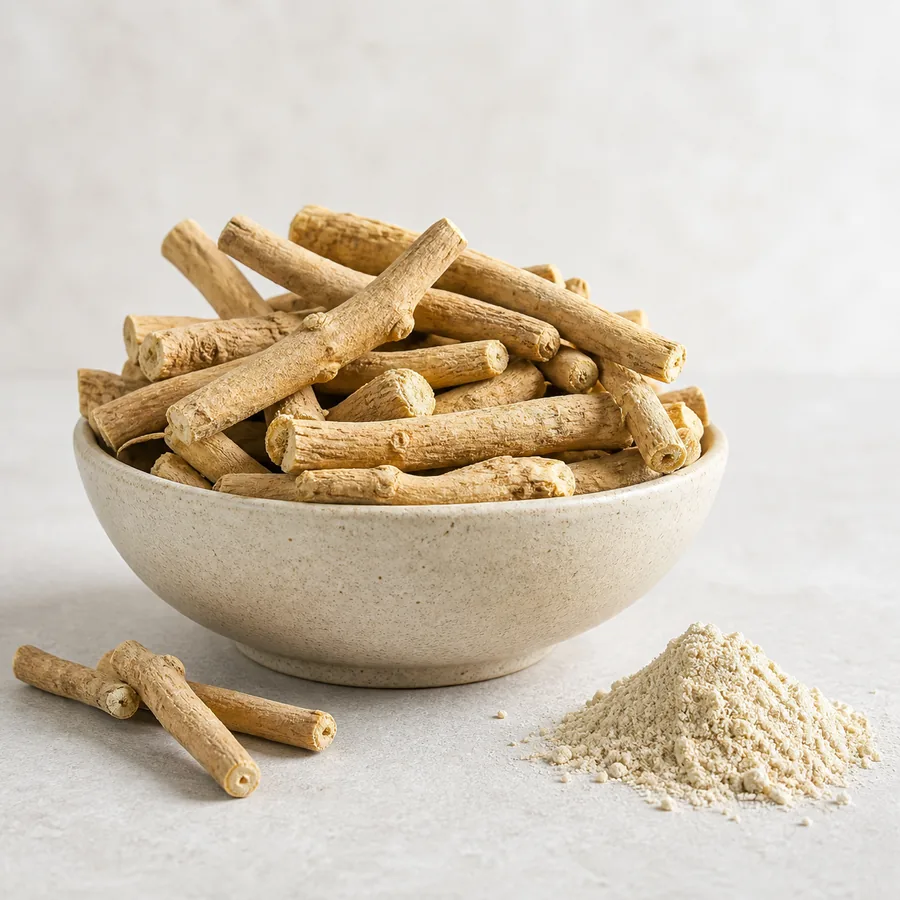
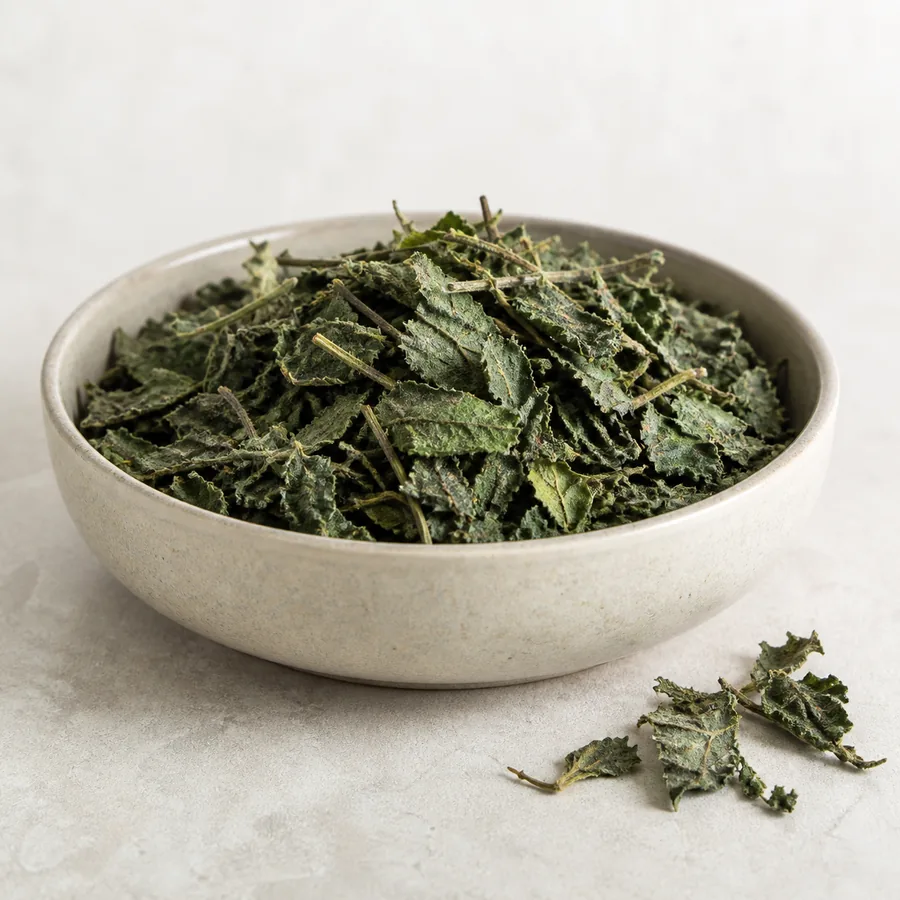
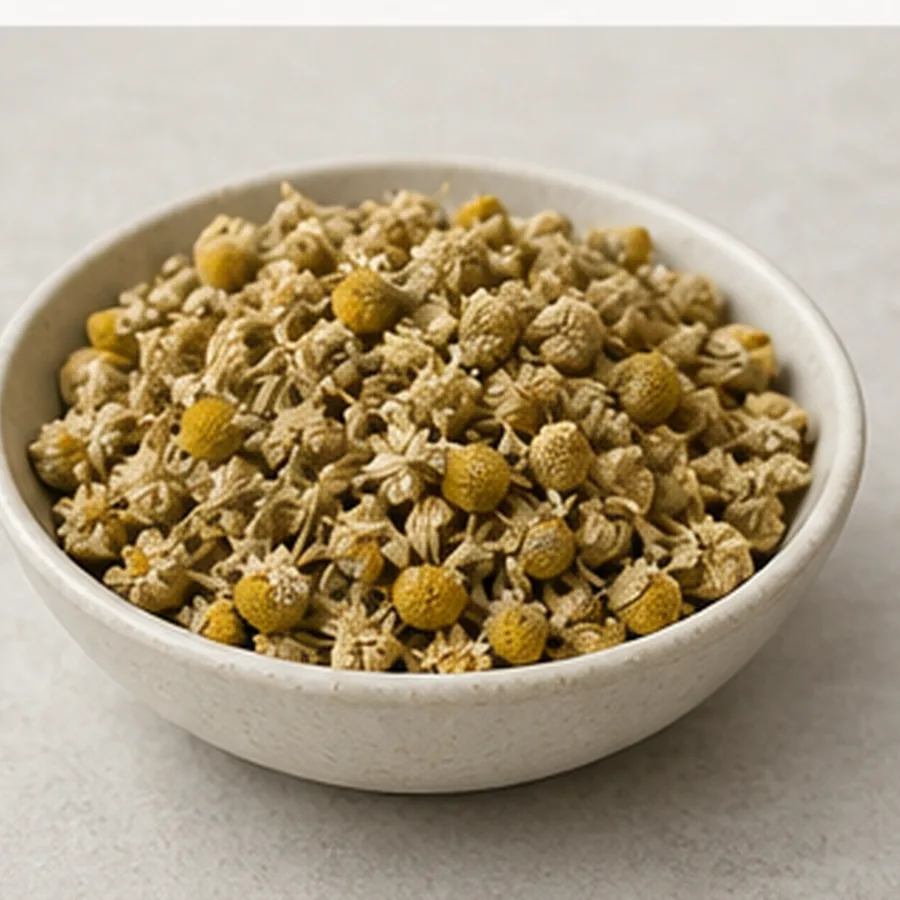
Common names are convenient, but they can hide important differences. A professional requirement should identify the botanical as precisely as the intended use demands, including the plant part, origin preference, and required form. A root, leaf, flower, seed, pulp, or oil from the same plant cannot be treated as the same material.
The application also changes the conversation. Material intended for an infusion may be assessed for cut size, aroma, colour, and cup character. A buyer preparing a powder, extract, cosmetic, or regulated formulation may need a different specification and document set. Stating the end use early prevents both sides from discussing the wrong grade.
- Botanical or accepted trade name, plus the plant part required
- Whole, cut, milled, liquid, oil, pulp, or another defined form
- Intended application and destination market
- Any non-negotiable quality or documentation requirement
Treat season and natural variation as purchasing information
Himalayan crops and collected botanicals move with harvest windows, rainfall, altitude, access, and local drying conditions. That does not make commercial sourcing impossible; it means availability should be checked against a real period and a real lot instead of assumed from a static catalogue.
Natural materials can vary in appearance, aroma, density, and moisture from one harvest to another. A buyer can manage that variation by agreeing the important acceptance points, reviewing a representative sample, and confirming what will be checked for the dispatch lot. The tighter the finished-product requirement, the earlier that conversation should begin.
- Ask whether the requirement is in stock, in processing, or tied to a future harvest
- Separate acceptable natural variation from an actual quality defect
- Confirm whether the sample and supply lot are expected to be the same batch
- Build realistic time for cleaning, cutting, milling, testing, and transport

Move from the guide into the full product range.
Browse 44 Himalayan ingredients by product family, form, and indicative starting rate.
Browse all products →Compare quotations only after the commercial brief is aligned
A rate without quantity, form, packing, destination, or testing context is rarely comparable. Cleaning loss, grading, milling, packaging, documentation, and freight can all change the delivered cost. Two suppliers may appear far apart while quoting materially different preparations.
A concise request for quotation should make those differences visible. It should also state whether the first need is a sample, a trial lot, or recurring supply. Honest constraints are useful: if the required timeline or specification cannot be met, learning that before production is more valuable than receiving an easy promise.
- Required quantity and likely repeat frequency
- Packing format and delivery location
- Testing parameters or supporting documents requested
- Target date, sample needs, and approval process
Three working takeaways.
- Define the material by identity, plant part, form, and intended use.
- Check current availability and lot character instead of relying on a catalogue alone.
- Compare prices only when preparation, packing, documents, and destination are aligned.
Product suitability, permitted use, specifications, testing, and documentation should be confirmed against the intended application, destination market, buyer quality system, and current lot.