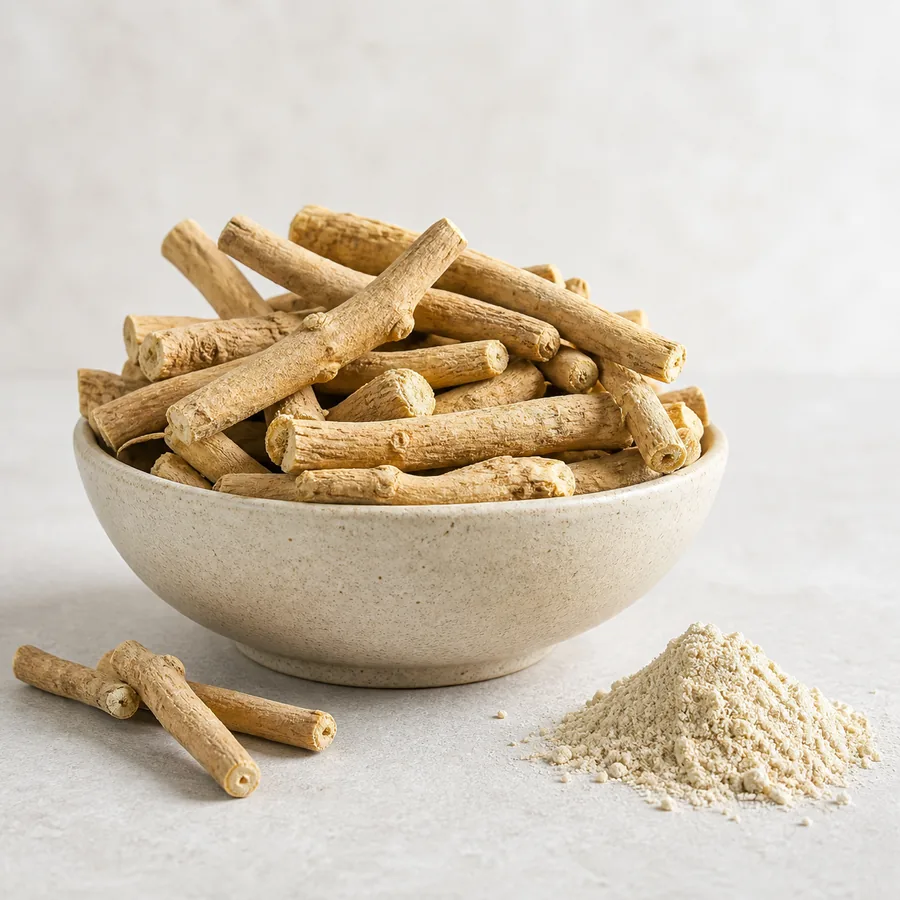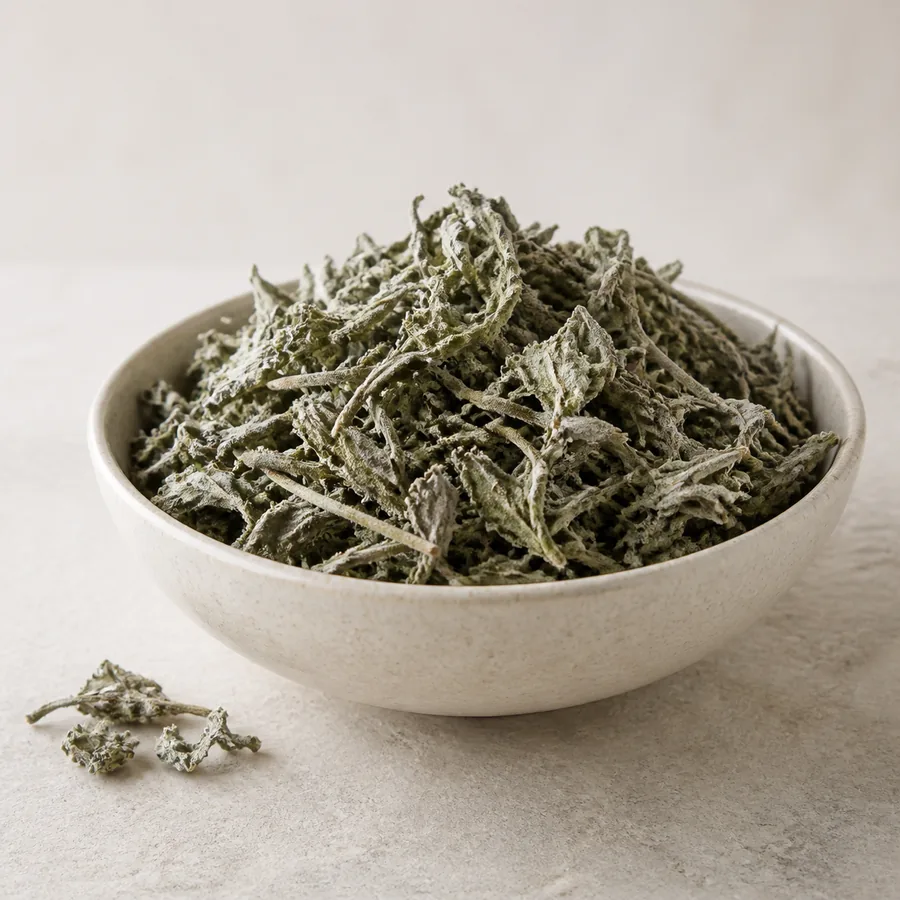
Translate the traditional material into a precise requirement
A herb may be well known in a formulation tradition and still require careful commercial identification. Regional names can overlap, plant parts can be substituted, and the same material may be traded whole, cut, or powdered. Begin with the accepted identity used by the buyer and state the plant part and preparation explicitly.
The intended process matters as well. Material for decoction, infusion, grinding, extraction, oil preparation, or another manufacturing step may need a different cut, cleanliness level, moisture expectation, and pack format.
- Accepted name and botanical identity where required
- Plant part and source preference
- Manufacturing step and required form
- Internal or applicable material specification
Keep origin knowledge and quality discipline in the same conversation
Origin, season, altitude, and collection practice can shape availability and material character. These details are useful when they are connected to a lot and handled honestly. They should not be used as a substitute for identity checks, cleanliness, testing, or the buyer's own qualification process.
Ask what can be traced for the specific material, how it was dried and prepared, and which details are documented rather than assumed. Where additional laboratory work is needed, agree the parameters and responsibility before dispatch.
- Known source region and harvest period
- Drying, cleaning, and processing route
- Identity and quality checks required
- Lot and packing records to accompany supply

Explore roots, rhizomes, herbs, and leaves.
Identify the material and form first, then align testing and preparation with the formulation process.
Explore herbs & leaves →Use honest availability to protect formulation continuity
Natural materials do not follow a factory calendar. A buyer planning recurring production should share likely annual demand and ask when the main harvest or collection window occurs. This creates time to plan sourcing, preparation, approved stock, and requalification when needed.
If a material is scarce or variable, the right response is a transparent discussion about timing, quantity, and specification. An easy promise that cannot survive the season creates more risk than a realistic limitation stated early.
- Annual and batch-level volume estimate
- Seasonal procurement window
- Approved stock and storage plan
- Change and reapproval expectations
Three working takeaways.
- Convert traditional names into an unambiguous commercial identity.
- Treat source knowledge and quality controls as complementary.
- Plan around harvest and realistic availability for recurring formulations.
Product suitability, permitted use, specifications, testing, and documentation should be confirmed against the intended application, destination market, buyer quality system, and current lot.