Choose the form by function, not by visual appeal
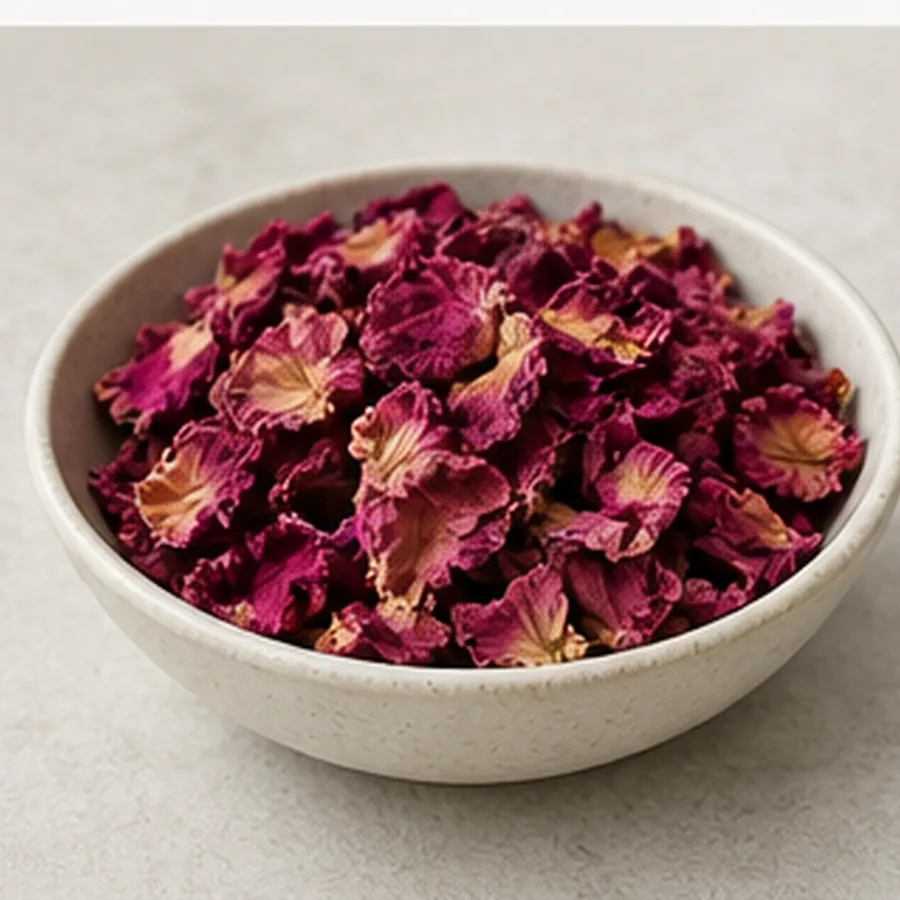
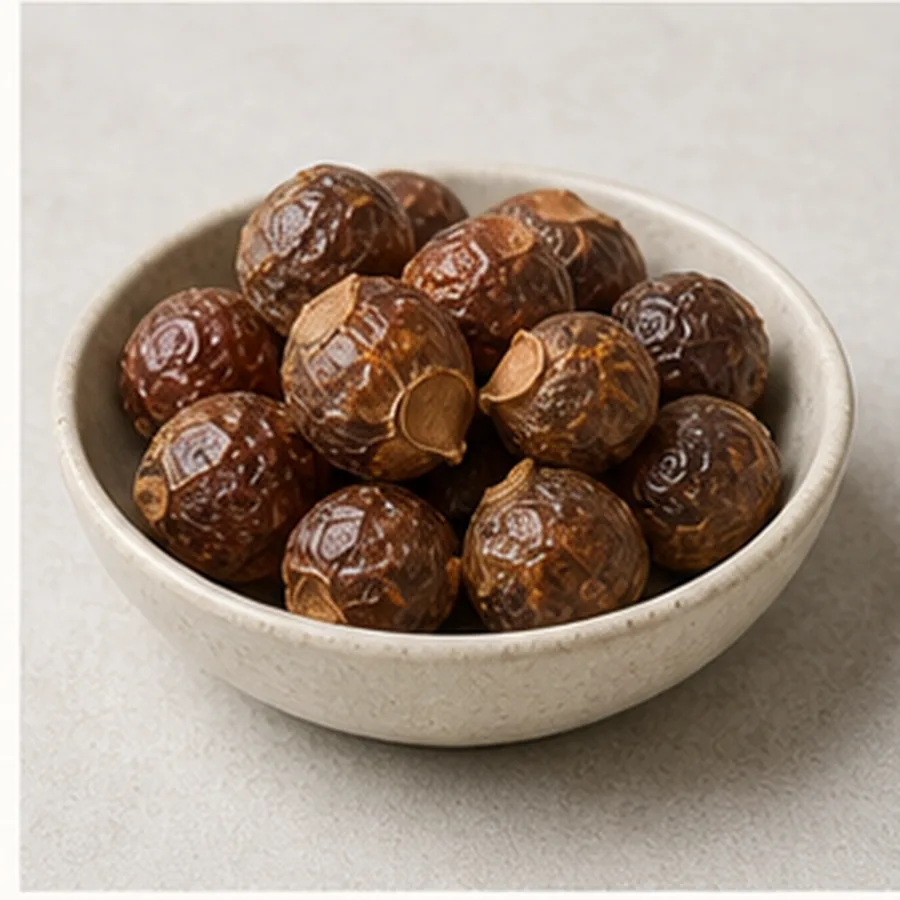
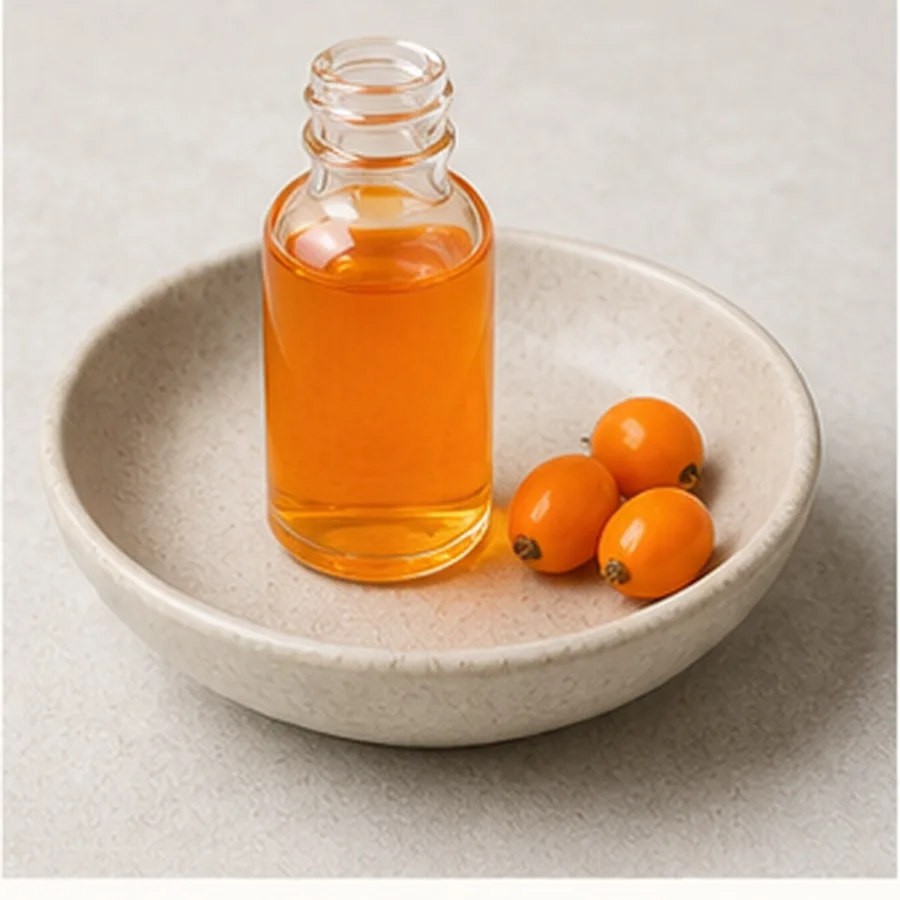
A dried flower, fine powder, botanical oil, oleoresin, and extract can all come from plants, but they enter a cosmetic formulation in very different ways. The right choice depends on whether the goal is visual identity, exfoliation, aroma, colour, oil-phase character, or another defined function.
The raw sample should be evaluated in the intended formulation base. Colour can shift, natural particles can settle, aromas can change, and oils can oxidise. Supplier information can guide the first conversation, but compatibility, stability, preservation, permitted use, and claims remain the formulator's responsibility.
- Role in the finished formula
- Required particle size or liquid form
- Expected colour and aroma range
- Compatibility and stability trial plan
Align trade names, botanical identity, and documentation
A marketing name is not enough for a technical file. Buyers should confirm the accepted botanical identity, plant part, preparation, and the appropriate ingredient naming required for their market and product type. When an oil is involved, the extraction or production route should also be clear.
Documentation needs vary by company and destination. Define the lot information, specification, test records, allergen or safety statements, and other supporting documents your quality team expects. Do not assume that a traditional use or natural origin automatically establishes cosmetic suitability.
- Botanical and applicable ingredient identity
- Plant part and processing route
- Lot specification and requested test records
- Destination-market review by the responsible business
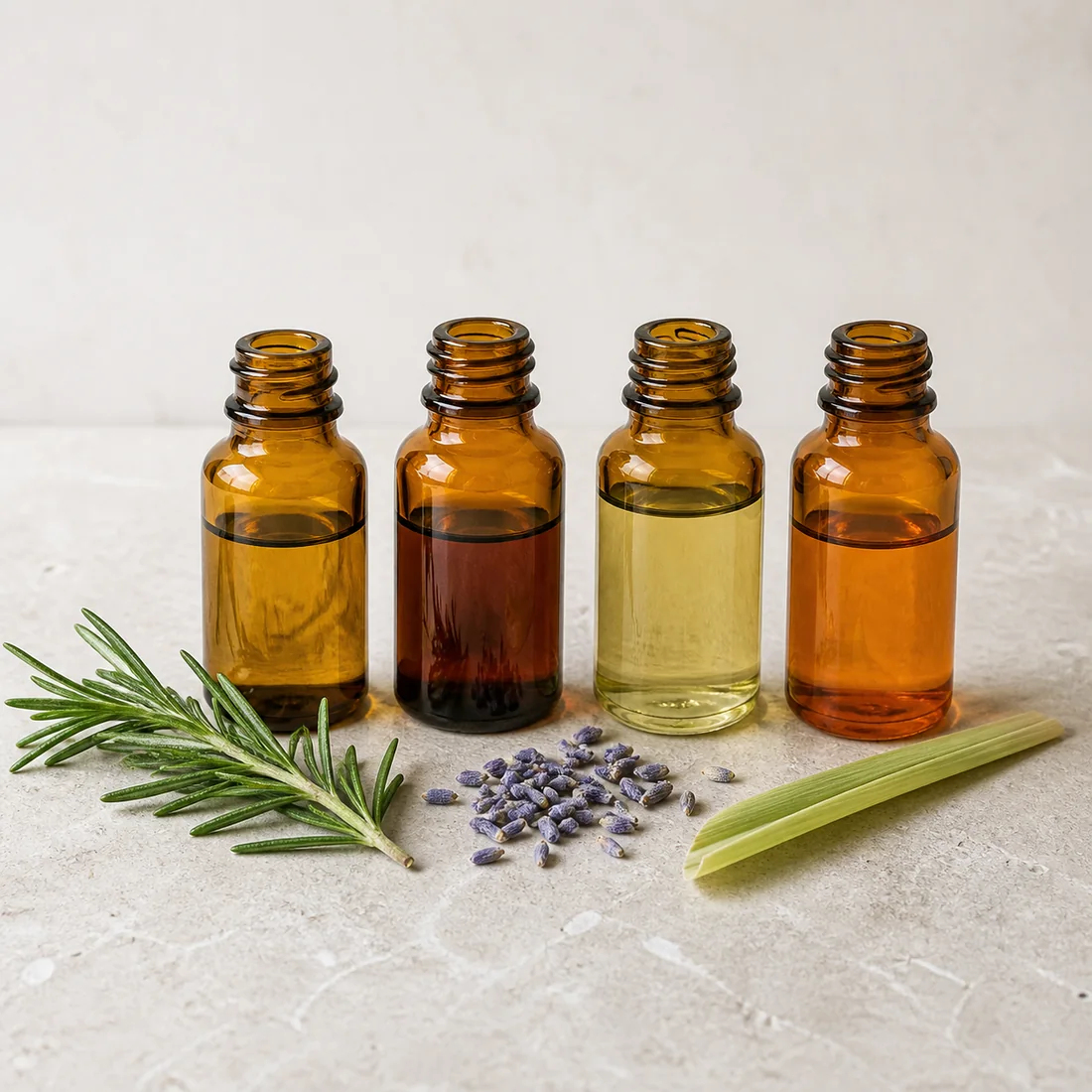
Explore botanical oils and speciality materials.
Review raw-material options for formulation trials and requirement-led sourcing.
Explore oils & oleoresins →Protect the material between dispatch and production
Botanical powders, flowers, and oils can be sensitive to moisture, light, heat, oxygen, or repeated opening. Packing should be selected for the material and order size, while storage instructions should be carried into the buyer's warehouse and sampling routine.
For repeat orders, compare incoming colour, aroma, and key specification points against an approved reference. Natural variation is expected, but defining an acceptable window helps quality and creative teams make consistent decisions.
- Light and oxygen protection for sensitive oils
- Moisture control for dried botanicals and powders
- Clean sampling and resealing procedure
- Approved-reference and retention-sample practice
Three working takeaways.
- Select botanical form according to its job in the formula.
- Confirm technical identity and documents separately from marketing language.
- Include packaging, storage, and batch comparison in qualification.
Product suitability, permitted use, specifications, testing, and documentation should be confirmed against the intended application, destination market, buyer quality system, and current lot.