Give the ingredient a clear job on the menu
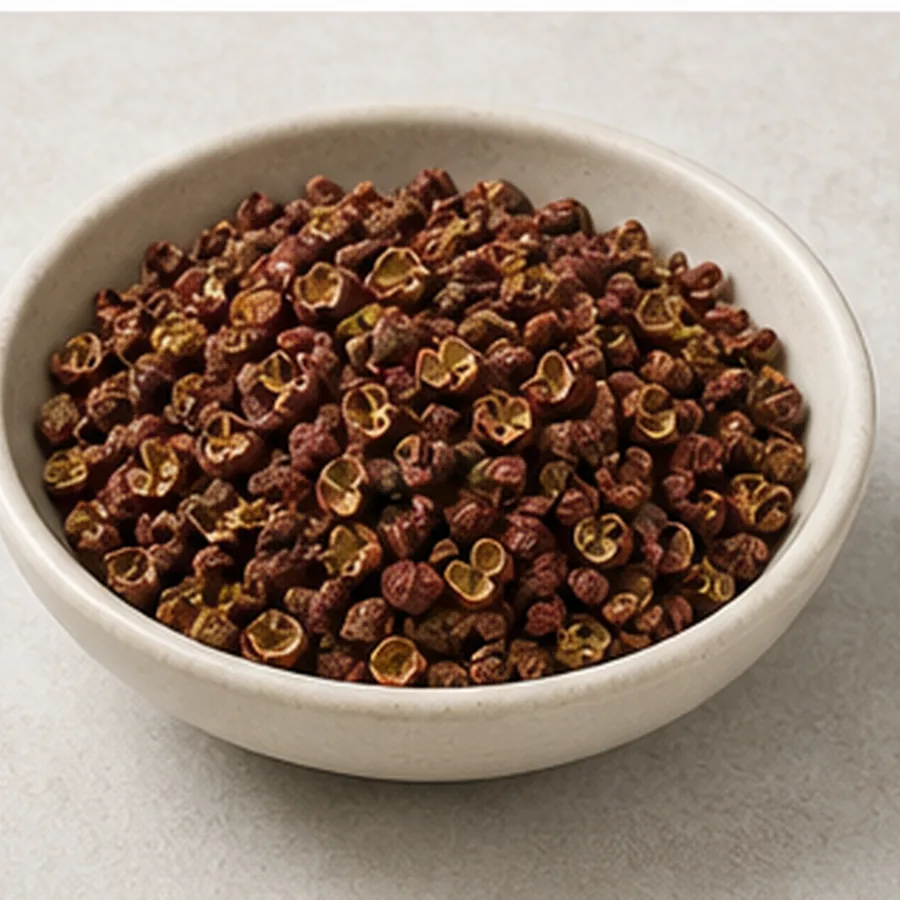
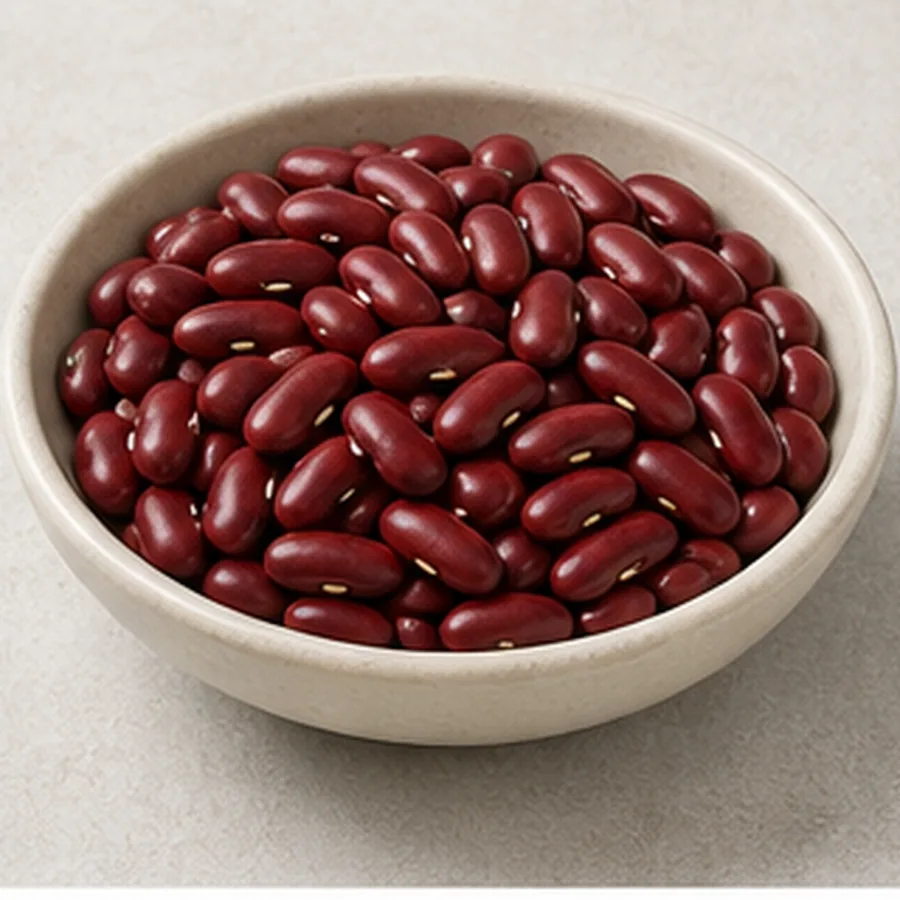
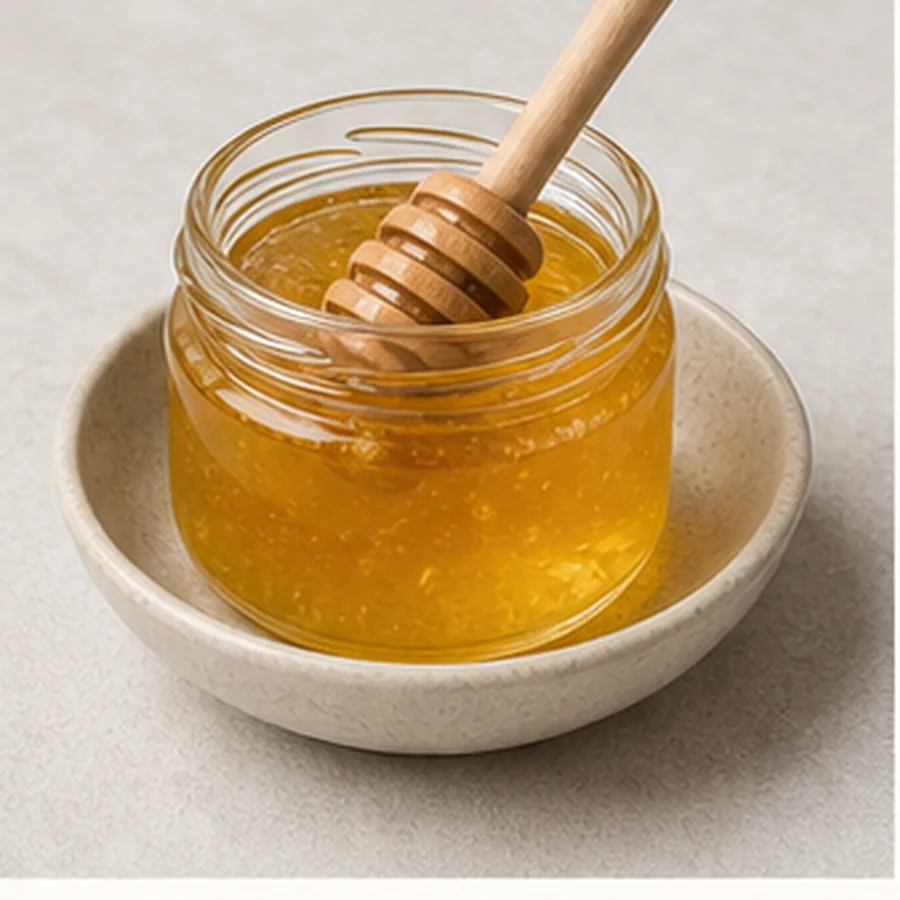
A mountain pepper, millet, pulse, herb, flower, or honey can start as a creative discovery. The next question is whether guests can taste or understand its role. Define the flavour, texture, aroma, visual character, or origin story the ingredient contributes, then test whether that value survives the real preparation method.
A trial should include the team that will execute the dish, not only the person developing it. Record soak time, cooking loss, extraction, trimming, infusion strength, holding behaviour, and the quantity used per cover. This turns an idea into a repeatable kitchen instruction.
- Purpose on the plate or in the beverage
- Preparation steps and usable yield
- Portion cost at service scale
- Guest-facing description that stays accurate
Buy the form that reduces service friction
Whole material can offer visual and aromatic character, while a cleaned, cut, milled, or graded format may save labour and improve consistency. The right choice depends on the kitchen, equipment, skill level, and volume. A lower raw-material price can disappear quickly if preparation is slow or waste is high.
Agree practical tolerances for size, colour, and natural variation. Confirm storage space and the pack size the team can use without repeated exposure to moisture or air. For multi-site operations, the specification should be simple enough to follow across locations.
- Whole versus cleaned, cut, or milled material
- Pack size matched to weekly use
- Storage and resealing conditions
- Simple acceptance cues for receiving teams
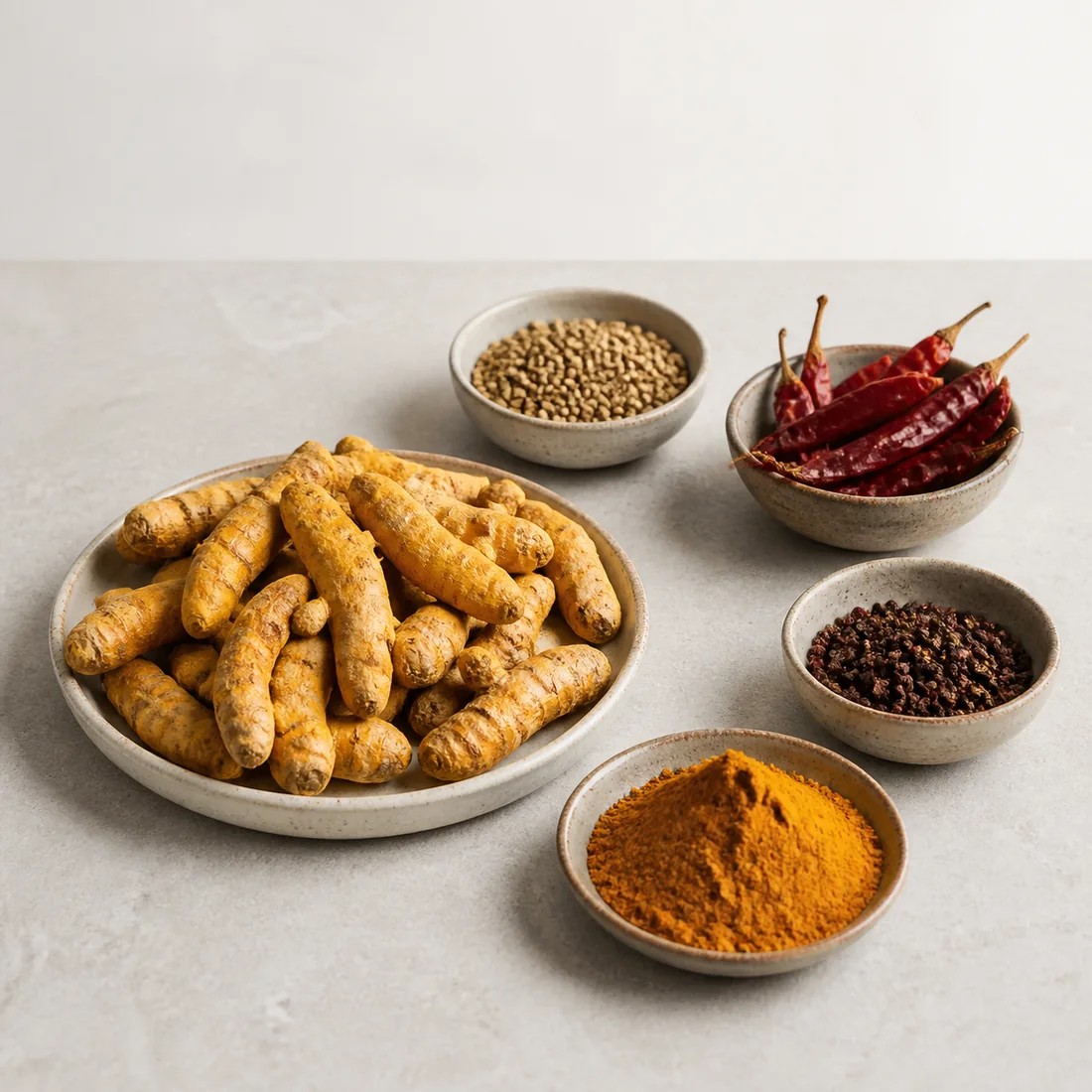
Explore Himalayan spices for professional menus.
Compare whole and prepared formats, then discuss the volume and pack size your kitchen needs.
Explore spices →Plan the menu around realistic availability
Seasonal ingredients need a menu plan that respects their supply rhythm. Ask whether the item is suited to a limited feature, a seasonal menu, or year-round use supported by planned stock. Confirm the likely lead time before marketing or printing creates a fixed promise.
For recurring use, share forecast ranges and preferred delivery frequency. A supplier can then discuss current stock, future sourcing, and workable alternatives before a shortage reaches the pass.
- Limited feature, seasonal menu, or permanent listing
- Opening stock and replenishment timing
- Expected covers and usage per cover
- Approved substitution or menu contingency
Three working takeaways.
- Test the material in service conditions, not only in development.
- Choose a format that accounts for labour, yield, storage, and consistency.
- Match menu promises to seasonal and replenishment realities.
Product suitability, permitted use, specifications, testing, and documentation should be confirmed against the intended application, destination market, buyer quality system, and current lot.