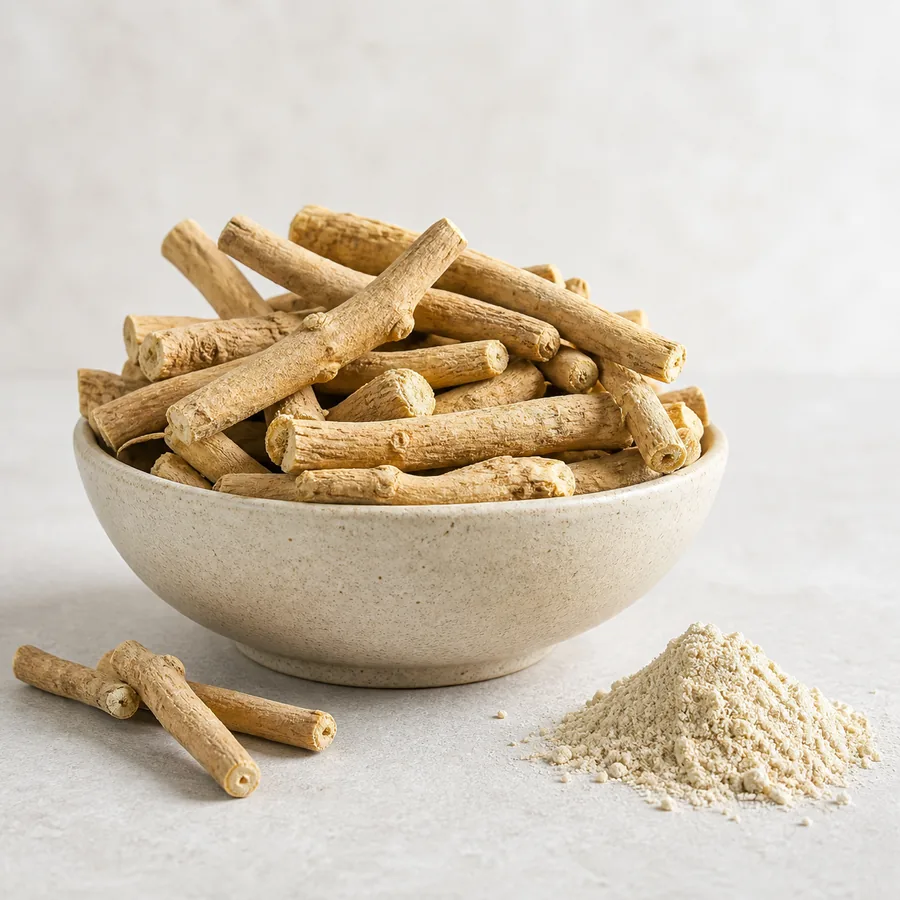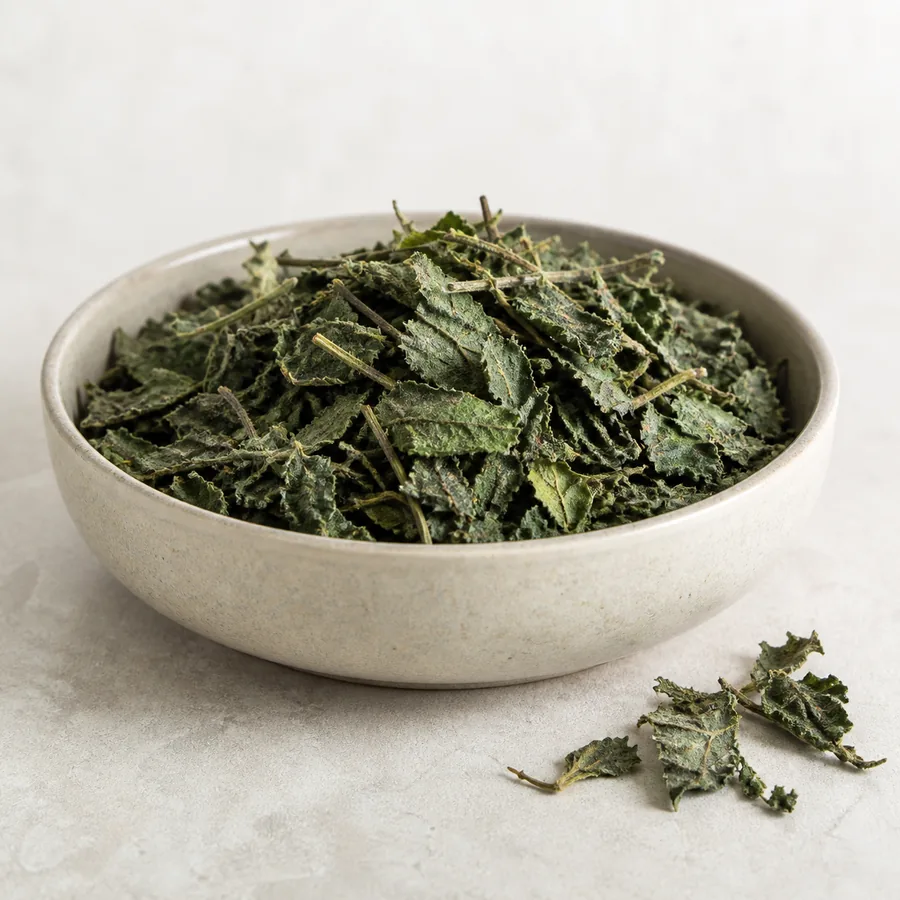
Separate raw botanical material from a standardised extract
Whole, cut, or milled botanicals are not interchangeable with extracts, and neither term should be used loosely. A raw root powder is defined by the plant material and preparation. An extract also requires clarity on extraction method, carrier, ratio or marker specification, and other process details.
Hillcrops' catalogue is primarily a raw-material catalogue. Buyers planning extraction or dosage-form production should state that purpose so the plant part, form, and relevant checks can be discussed correctly. The finished product manufacturer remains responsible for formulation, permitted use, claims, and destination-market compliance.
- Accepted botanical name and plant part
- Raw material, powder, oil, pulp, or extract
- Intended manufacturing step
- Destination market and internal specification
Build the test plan around the real risk and use
A generic statement such as 'lab tested' does not explain what was tested, by whom, against which method, or for which lot. Buyers should define the parameters that matter to their quality system and intended application. Those may include identity, moisture, microbiology, contaminants, residues, or a buyer-specific marker, depending on the material and market.
Not every test belongs on every purchase. The useful approach is risk-based and specific. Confirm whether testing must be completed before dispatch, whether an accredited third-party laboratory is required, and whether the buyer will conduct independent verification after receipt.
- Required parameters and acceptance limits
- Sampling and laboratory expectations
- Batch number shown consistently across records
- Responsibility for pre-dispatch and receipt testing
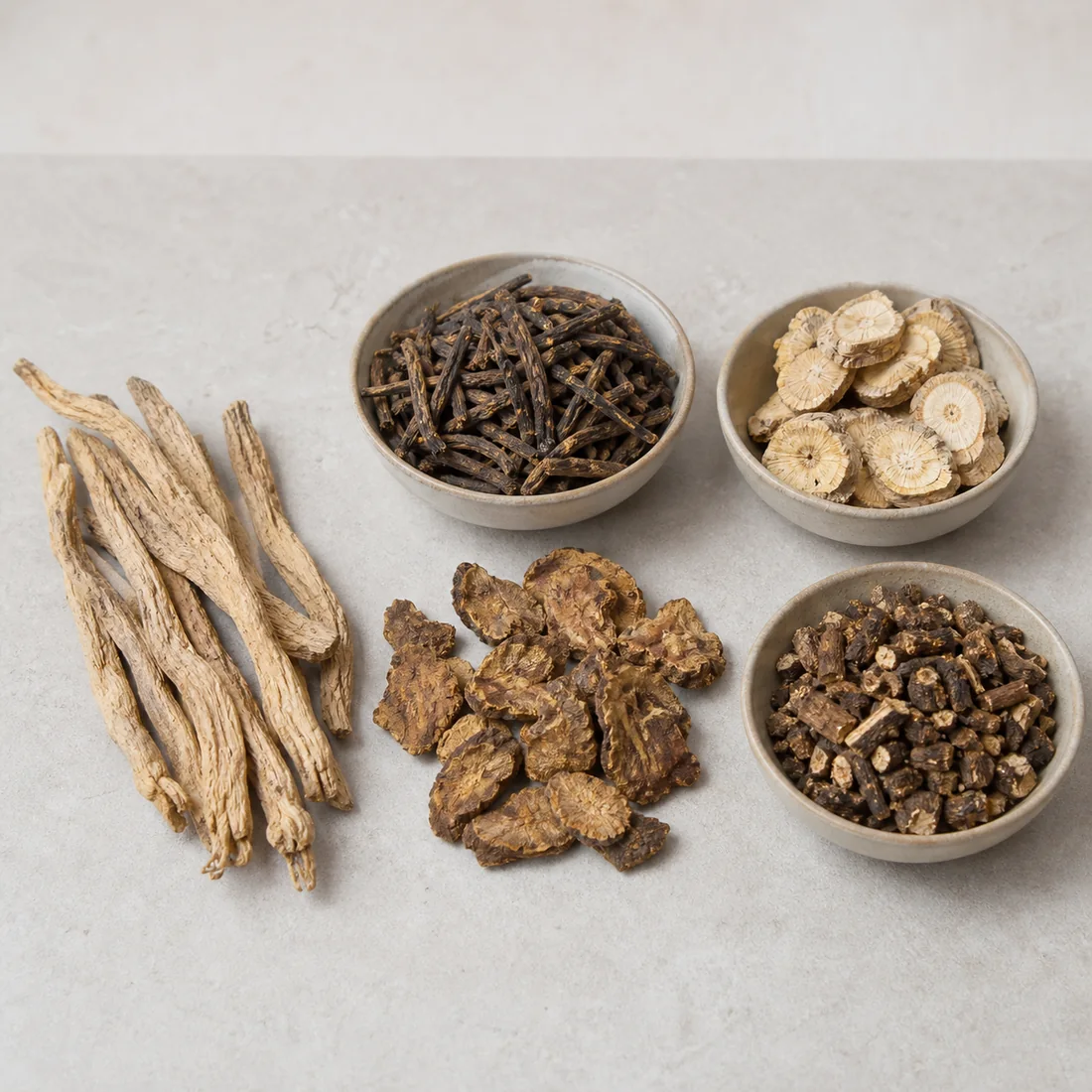
Start with roots, leaves, and speciality botanicals.
Compare available raw-material forms before preparing a technical requirement.
Explore roots & rhizomes →Qualify the supply rhythm as carefully as the first sample
A clean sample can start a discussion, but qualification should also cover production-scale consistency and continuity. Ask whether the sample represents a current lot, a future harvest, or a prepared reference. Confirm the minimum practical batch, expected lead time, and how changes in source or harvest will be communicated.
For recurring programmes, an agreed change-control conversation is valuable even when a formal system is not required. Natural variation cannot be removed entirely, but significant changes in form, source route, processing, or specification should not arrive as a surprise.
- Sample-to-lot relationship
- Minimum and repeat order quantities
- Harvest and processing lead time
- Reapproval triggers for meaningful change
Three working takeaways.
- State clearly whether the requirement is a raw botanical or an extract.
- Define tests and acceptance limits instead of asking only for a generic COA.
- Qualify continuity, lot communication, and scale before approval.
Product suitability, permitted use, specifications, testing, and documentation should be confirmed against the intended application, destination market, buyer quality system, and current lot.